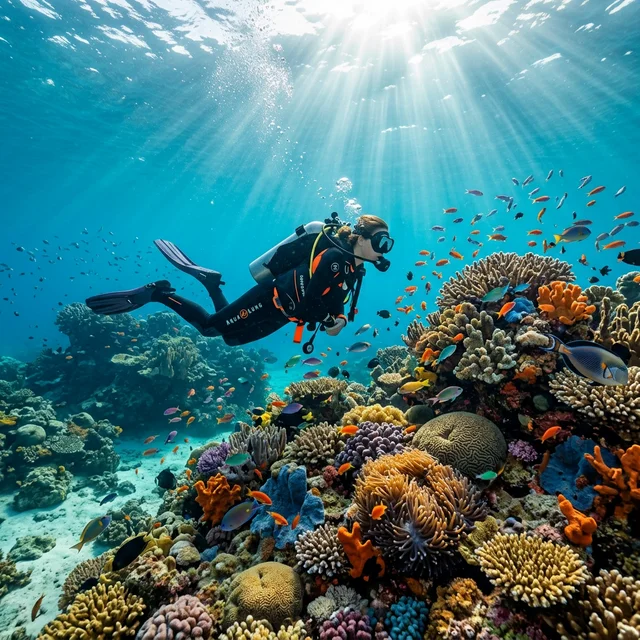
Volunteer travel, when done ethically, creates the deepest travel experiences — genuine connections, meaningful contribution, and perspectives you’d never gain as a tourist.
Ethical Volunteering — Key Principles
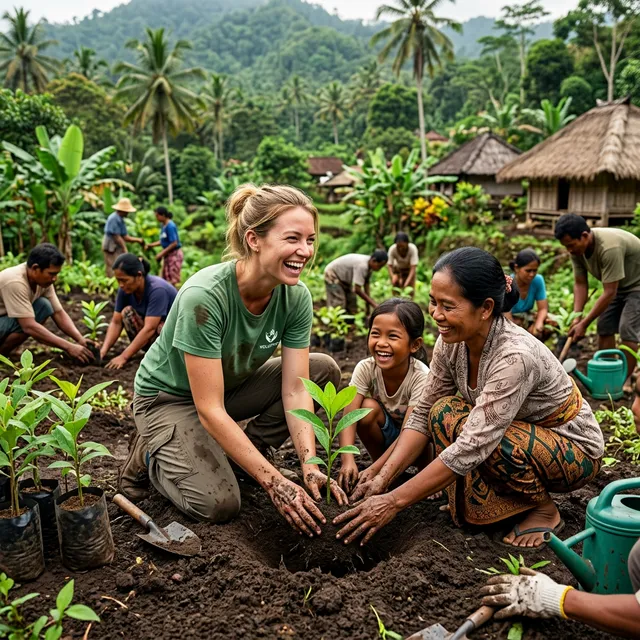
- Skills match: Volunteer where your skills are genuinely needed, not just where it sounds exotic
- Long-term impact: Choose organizations working on sustainable solutions, not quick fixes
- Community-led: Programs should be designed by local communities, not by international companies
- Avoid voluntourism traps: Orphanage volunteering is harmful. Building projects without construction skills can do more harm than good.
Best Volunteer Programs
Conservation
- Marine conservation (Thailand/Maldives): Coral reef restoration, whale shark research, beach cleanups
- Wildlife rehabilitation (Costa Rica/South Africa): Animal sanctuary work with rescued wildlife
- Reforestation (Ecuador/Madagascar): Planting native forests and supporting local communities
Education
- Teaching English (Southeast Asia/Latin America): TEFL-certified teaching in schools and community centers
- Digital skills: Teaching computer skills in developing communities
Community
- Habitat for Humanity: Building homes in over 70 countries
- Workaway/WWOOF: Farm and hostel work exchange programs — free accommodation + cultural immersion
Platforms
- Workaway ($49/year): 40,000+ hosts worldwide
- WWOOF (varies by country): Organic farming worldwide
- Go Overseas: Vetted volunteer program reviews
Final Thoughts
The best volunteer experiences change you as much as they help others. Approach with humility, give your time generously, and respect that you’re a guest in someone else’s community.