The Middle East is one of the world’s most culturally rich and misunderstood regions. Behind the headlines lies extraordinary hospitality, ancient traditions, and societies navigating tradition and modernity.
Hospitality
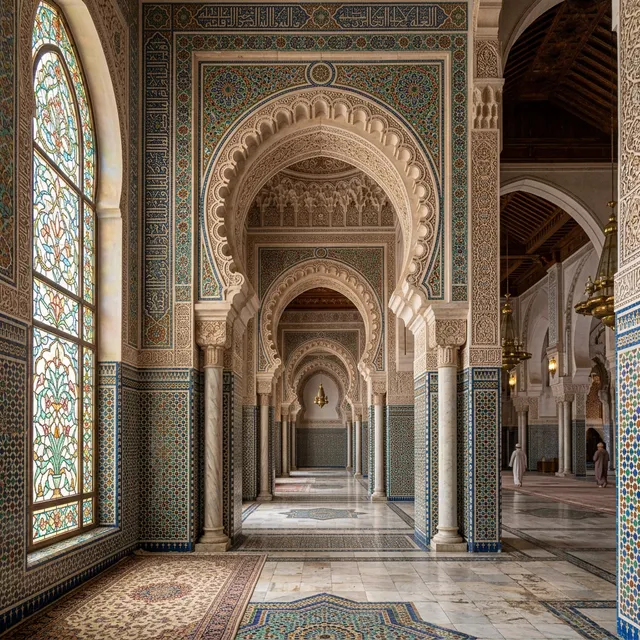 Middle Eastern hospitality is legendary. You may be invited for tea or a meal by strangers — this is genuine and should be accepted graciously. Refusing can be seen as impolite. Bring a small gift if visiting a home.
Key Cultural Norms
- Greetings: Handshakes are common between same-sex individuals. A hand over the heart accompanies greetings. Wait for a woman to offer her hand first.
- Dress: Conservative is respectful — cover shoulders and knees. Women may need headscarves in mosques.
- Ramadan: Non-Muslims should avoid eating/drinking in public during fasting hours as a sign of respect.
- Photography: Ask before photographing people, especially women.
- Left hand: The left hand is considered unclean in many cultures — eat and pass items with the right hand.
Modern vs Traditional
Cities like Dubai, Doha, and Riyadh are among the most modern on Earth. Cafés serve artisan coffee, malls rival anything in the West, and young professionals navigate global cultures while maintaining traditional values. The contrast is fascinating.
Must-Experience
- Oman’s wadis, forts, and genuine Bedouin hospitality
- Jordan’s Petra and Dead Sea floating experience
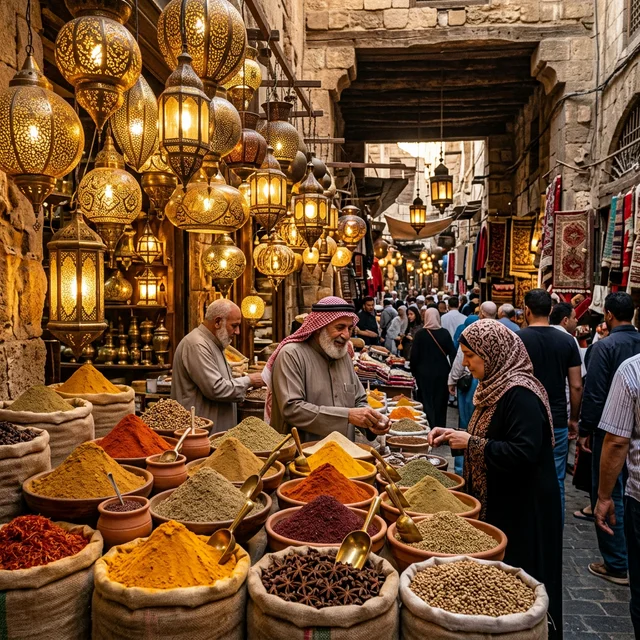
- UAE’s contrast between traditional souks and futuristic skylines
- Lebanon’s food scene, nightlife, and Phoenician history
Final Thoughts
The Middle East rewards travelers who approach with respect, curiosity, and an open mind. Its warmth, history, and cultural depth are unmatched.