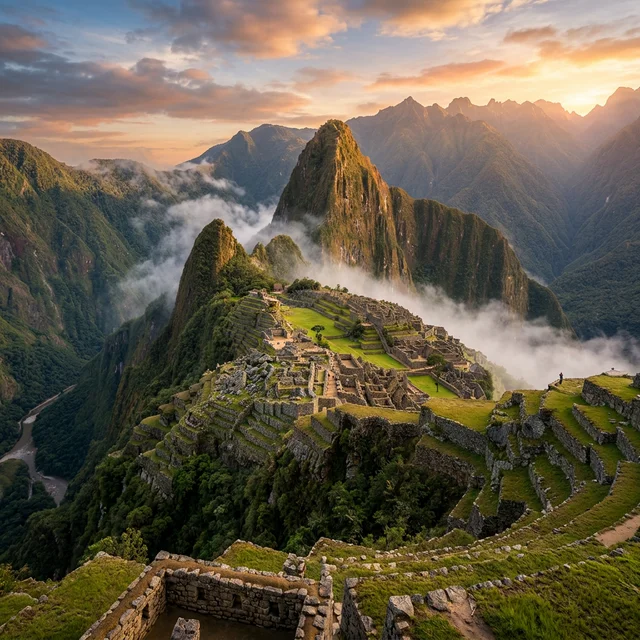
古代遺跡の前に立つことは、旅の中で最も畏敬の念を抱かせ、謙虚な気持ちにさせてくれる経験の1つです。風化した石や崩れかけた壁は、世界を形作った文明——王や技術者、芸術家や戦士、そして永遠に残る記念碑を建てようとした夢想家や先見の明のある人々の物語を語りかけてきます。
建設から何千年も経った今でも、人々に畏敬の念を抱かせ続ける10の古代遺跡をご紹介します。
1. マチュピチュ(ペルー) 🇵🇪
建設時期: 紀元1450年頃 | 文明: インカ帝国
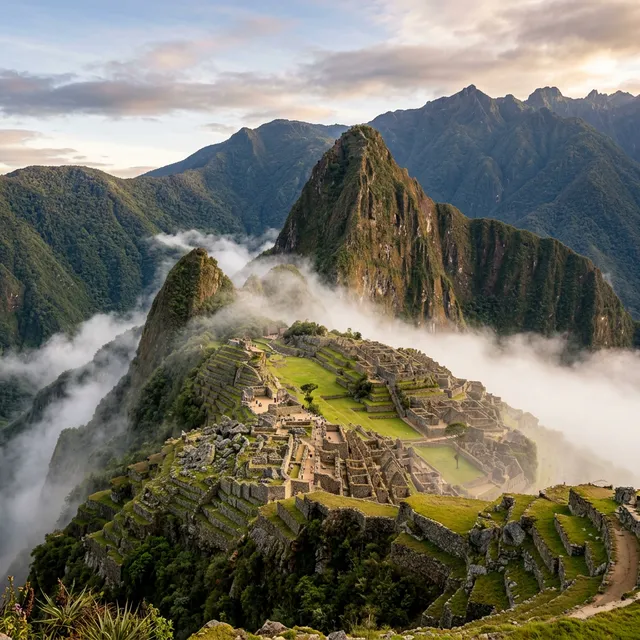
アンデス山脈の標高2,430メートルに位置するマチュピチュは、おそらく世界で最も象徴的な考古学遺跡でしょう。この15世紀のインカ帝国の城塞は、スペインの征服時に放棄され、1911年まで外の世界から隠されたままでした。
その魅力とは
- 漆喰(モルタル)を使わない精密な石造建築——石と石の間にはナイフの刃すら入らないほど隙間なく組み合わされています。
- 現在でも機能している独創的な水管理(灌漑)システム。
- 天文学的な配置:インティワタナ(インカの「太陽をつなぎとめる石」)は日時計として機能していました。
- ウルバンバ川の渓谷を見下ろす尾根にある、ドラマチックで息を呑むような立地。
訪問のヒント
- 早めの予約を: 1日の入場者数は約4,000人に制限されており、許可証は数ヶ月前に売り切れます。
- 高山病対策: 高地に体を慣らすため、最初にクスコで2〜3日過ごしましょう(高山病は深刻な問題です)。
- インカ・トレイル: 古代の道を歩く人気の4日間トレッキングは素晴らしいですが、6ヶ月以上前に予約する必要があります。
- 代替ルート: サルカンタイ・トレッキング、またはオリャンタイタンボから列車に乗る方法があります。
- ベストシーズン: 4月〜10月(乾季)。混雑を避けるため、開門時間に合わせて到着するようにしましょう。
2. アンコールワット(カンボジア) 🇰🇭
建設時期: 紀元12世紀 | 文明: クメール帝国
世界最大の宗教記念碑であるアンコール・ワットは、バチカン市国よりも広い162.6ヘクタールもの敷地を誇ります。元々はヒンドゥー教のヴィシュヌ神に捧げられた寺院でしたが、徐々に仏教寺院へと変化していきました。
その魅力とは
- ヒンドゥー教の神話やクメールの歴史を描いた、全長600メートルにも及ぶ世界で最も広範な浅浮き彫り(レリーフ)。
- 寺院が西を向いていること(ヒンドゥー教の寺院としては非常に珍しい)。これは死と沈む太陽への関連を示唆している可能性があります。
- 寺院群を囲む広大な環濠(お堀)は、宇宙の海を象徴しています。
- 何百もの寺院の遺跡が点在する、より巨大な「アンコール遺跡公園」の一部です。
訪問のヒント
- 3日券(62ドル)を購入: 巨大な遺跡群を正しく探索するためには複数日のパスが必須です。
- アンコール・ワットの日の出: 象徴的ですが、非常に混雑します。代わりにプノン・バケンでの夕日を検討してみてください。
- トゥクトゥクを1日チャーター: 遺跡間の移動には、1日15〜20ドル程度でトゥクトゥクのドライバーを雇うのが最適です。
- 見逃せない遺跡: タ・プローム(巨大な樹木が遺跡を浸食する「トゥームレイダー」のロケ地)、バイヨン(200以上の微笑む巨大な石の顔がある)、バンテアイ・スレイ(非常に精巧なピンク色の砂岩の彫刻)。
- 服装規定: 肩や膝が隠れる服装が必須です。
3. ペトラ(ヨルダン) 🇯🇴
建設時期: 紀元前4世紀 | 文明: ナバテア王国
バラ色の砂岩の崖に直接彫り込まれたペトラは、かつてナバテア人の交易帝国として栄えた首都でした。何世紀にもわたって西洋世界から忘れ去られていましたが、1812年にスイス人探検家のヨハン・ルートヴィヒ・ブルクハルトによって再発見されました。
その魅力とは
- エル・カズネ(宝物殿)——崖の斜面に彫られた高さ40メートルの象徴的なファサード(正面装飾)。
- 砂漠の中で2万人以上の住民を支えた、高度で洗練された水道管(導水)システム。
- 墓、寺院、円形劇場など、800を超える個々の建造物。
- 砂岩の色が、時間帯によってピンクからオレンジ、そして深紅へと変化する息を呑むような美しさ。
訪問のヒント
- ペトラ・バイ・ナイト(夜のペトラ): 火曜日、木曜日、土曜日の夜——シーク(細い渓谷の道)と宝物殿が1,500本のキャンドルでライトアップされます。
- 歩きやすい靴を履く: 遺跡は広大で、起伏の激しいでこぼこ道が続きます。
- 早朝に出発: ゲートは午前6時に開きます。早く到着すれば、宝物殿で静かな時間を過ごせます。
- エド・ディル(修道院)まで歩く: 800段の階段を45分かけて登ると、宝物殿よりもさらに巨大で、観光客もはるかに少ない壮大な建造物というご褒美が待っています。
- 2日券がおすすめ: この広大な遺跡を1日で回りきることは不可能です。
4. コロッセオ(イタリア、ローマ) 🇮🇹
建設時期: 紀元70〜80年 | 文明: ローマ帝国
これまでに建設された中で最大の円形闘技場であるコロッセオは、5万〜8万人の観客を収容し、剣闘士(グラディエーター)の試合、動物狩り、公開処刑、そして演劇の上演を観るために人々が集まりました。
その魅力とは
- 猛獣や剣闘士をアリーナの床下に待機させ、登場させるための複雑な地下トンネルシステム(ヒポゲウム)を備えた工学の驚異。
- 観客に日陰を提供するために、熟練した水夫たちによって操作されていた開閉式の巨大な日よけ帆システム(ウェラリウム)。
- 建設以来、現代に至るまでの主要なスポーツスタジアムの設計の原型(テンプレート)となっています。
- 地震、火災、そして何世紀にもわたる石材の略奪にもかかわらず、ローマの中心部で今なお畏敬の念を抱かせる存在感を放ち続けています。
訪問のヒント
- 見学ツアーを予約する: 地下トンネル(ヒポゲウム)と最上階を見学できるツアーは、最も印象的で特別な視点を提供してくれます。
- 行列をスキップ(回避): チケットは事前にオンラインで購入するか、「ローマ・パス」を利用しましょう。
- 共通(コンボ)チケット: フォロ・ロマーノとパラティーノの丘がセットになっています(有効期間は2日間)。
- 最高のパノラマビュー: 最上階からは、フォロ・ロマーノとローマの街並みのパノラマの絶景を見下ろすことができます。
5. チチェン・イッツァ(メキシコ) 🇲🇽
建設時期: 紀元600〜1200年 | 文明: マヤ文明
新世界七不思議の1つであるチチェン・イッツァは、マヤの主要な都市であり、非常に洗練された高度な古代の天文台でもありました。
その魅力とは
- エル・カスティーヨ(ククルカンの神殿): 春分と秋分の日に、太陽の光と影がピラミッドの階段を巨大な蛇が降りてくるような錯覚(ククルカンの降臨)を生み出します。
- 巨大な球戯場(グラン・フエゴ・デ・ペロタ): メソアメリカ最大であり、信じられないほどの音響効果を備えており、ささやき声が150メートル先まで届きます。
- 聖なる泉(セノーテ・サグラド): 儀式的な供物や生贄が捧げられた神聖な陥没穴(泉)。
- ピラミッドや神殿の建築そのものに組み込まれた、高度な天文学的知識。
訪問のヒント
- 開門と同時(午前8時)に到着する: カンクンから押し寄せるツアーバスの大群(混雑)を避けるためです。
- 春分・秋分に合わせて訪問する(3月20日または9月22日頃): ククルカン(蛇神)の影の現象を目撃できます。
- バジャドリードに宿泊する: カンクンよりも本物のメキシコの雰囲気が味わえ、日帰りでのアクセスも非常に簡単です。
- 現地のローカルガイドを雇う: 歴史的な背景を知ることで、遺跡の持つ意味が無限に深まります。
6. アクロポリス(ギリシャ、アテネ) 🇬🇷
建設時期: 紀元前5世紀 | 文明: 古代ギリシャ
アクロポリス——文字通り「高い都市」を意味します——はアテネのスカイラインを支配しており、古典ギリシャ建築と民主主義の頂点を象徴しています。
主要な歴史的建造物
- パルテノン神廟(パルテノン神殿): 女神アテナに捧げられた神殿であり、これまでに建てられた中で最も完璧なドーリア式神殿と考えられています。
- エレクテイオン: カリアティード(列柱として機能する衣をまとった6体の女性像)のポルチコ(柱廊)で有名です。
- アテナ・ニケ神殿: 軍事的な勝利を祝う小さな神殿。
- ディオニュソス劇場: ギリシャの悲劇と喜劇が誕生した発祥の地。
訪問のヒント
- 午前中の訪問: 太陽の光線が美しく、混雑も少なめです。
- アクロポリス博物館: 丘の上に行く前か後に必ず訪れてください——丘の上で見学するすべてのものに対する深い歴史的背景を提供してくれます。
- グリップ力の高い靴を履く: 大理石の道は磨き上げられており、非常に滑りやすいです。
- 共通(コンボ)チケット: 30ユーロでアクロポリスと他の6つの考古学遺跡の両方に入場でき、5日間有効です。
7. ティカル(グアテマラ) 🇬🇹
建設時期: 紀元前600年〜紀元900年 | 文明: マヤ文明
ペテン盆地の鬱蒼としたジャングルの林冠の上にそびえ立つティカルの巨大なピラミッド群は、世界中のマヤ遺跡の中でも最もドラマチックで迫力のある遺跡の1つです。
その魅力とは
- 4号神殿(高さ65メートル)からはジャングルの林冠(キャノピー)を見渡す絶景が広がります。これは映画『スター・ウォーズ エピソード4/新たなる希望』(ヤヴィン第4衛星の反乱軍基地)に登場したのと同じ景色です。
- コロンブス到達以前のマヤ文明において、最大級の考古学遺跡の1つ。
- ジャングルの環境は壮観です。野生のホエザル、オオハシ、ハナグマが自由に歩き回っています。
- チチェン・イッツァに匹敵するほど壮大であるにもかかわらず、観光客ははるかに少ないという穴場です。
訪問のヒント
- サンライズ(日の出)ツアー: 午前4時に起きて4号神殿に登り、眠りから覚めるジャングルの大自然の林冠の上に朝日が昇るのを見届けます。
- フローレス(Flores)に宿泊: ティカルから車で1時間半の距離にある、ペテン・イツァ湖に浮かぶ魅力的な島の町。
- 虫除けを必ず持参する: 熱帯ジャングルの環境は、大量の蚊が飛び交うことを意味します。
- 丸1日の時間を確保する: 遺跡は非常に広大で、神殿間を歩くのには長時間を要します。
8. ポンペイ(イタリア) 🇮🇹
建設時期: 紀元前7〜6世紀 | 破壊された年: 紀元79年 | 文明: ローマ帝国
ヴェスヴィオ火山の壊滅的な大噴火による大量の火山灰の下に埋もれたポンペイは、タイムカプセルのように一瞬で時が止まった、比類のないローマ人の日常生活のスナップショットを提供します。
その魅力とは
- 街の通り、家屋、商店、公共建築物が、火山灰の中に完全に保存されたまま残っています。
- 生の最後の瞬間に凍りついた犠牲者たちの石膏の型(キャスト)。
- 2,000年経った今でも鮮やかな色彩を保つ詳細なフレスコ画とモザイク。
- 完全な形で残るローマの円形闘技場、フォロ(広場)、および公衆浴場群の複合施設。
訪問のヒント
- 最低でも4〜5時間は確保する: 発掘されたエリアは驚くほど巨大です。
- ガイド付きツアーを推奨: 歴史的背景の知識(文脈)がなければ、ただの古い壁や石ころを見ているだけに終わってしまいます。
- エルコラーノ(ヘルクラネウム)と組み合わせて訪問: ポンペイより規模は小さいですが、混雑も少なく、古代の木材まで残っているほど保存状態はさらに良好です。
- ポンペイは完全な屋外です: 夏場は日陰がないため、水、日焼け止め、帽子を必ず持参してください。
9. エフェソス(トルコ) 🇹🇷
建設時期: 紀元前10世紀 | 文明: ギリシャ/ローマ
かつてローマ帝国で2番目に大きな都市(ローマに次ぐ規模)であったエフェソスは、地中海沿岸で最も保存状態の良い古代都市の1つです。
主要な見どころ
- ケルスス図書館: かつて1万2000巻の巻き物を所蔵していた、息を呑むほど美しい2階建てのファサード(正面装飾)。
- 巨大な円形大劇場: 2万5000人を収容でき、使徒パウロが説教を行ったとされる場所。
- テラスハウス(傾斜地の邸宅): 無傷で豪華なモザイクとフレスコ画が残る多層階のローマ人の超高級住宅。
- アルテミス神殿(遺跡のすぐ近く): 「古代世界の七不思議」の1つに数えられた神殿(現在は柱が1本残るのみです)。
訪問のヒント
- 上のゲート(南ゲート)から入場する: ゆるやかな下り坂を歩いて街(遺跡)を通り抜けることができるので、はるかに楽です。
- 追加料金を払ってテラスハウスを見学する: 驚くほど保存状態の良いフレスコ画とモザイクは、どんなに払っても見る価値(1セント単位の価値)があります。
- 早朝または午後遅く(夕方)に訪問する: 特に夏の間は真昼の殺人的な猛暑が非常に過酷です。
- セルチュクまたはイズミルを拠点に: どちらの町も立地が便利で、質の高い宿泊施設が揃っています。
10. 万里の長城(中国) 🇨🇳
建設時期: 紀元前7世紀〜紀元17世紀 | 文明: 中国の歴代王朝
万里の長城は、中国北部にまたがって長さ2万1000キロメートル以上も伸びており、人類がこれまでに建設した中で最も長い建造物です——これは自国の国境を守るという中国の決意の強い証です。
訪問におすすめの長城の区間(セクション)
| 区間 | 北京からの距離 | 混雑度 | 難易度 |
|---|---|---|---|
| 八達嶺(パーダーリン) | 70 km | 非常に混雑 | 易しい(ロープウェイあり) |
| 慕田峪(ムーティエンユー) | 73 km | 中程度 | 中程度 |
| 金山嶺(ジンシャンリン) | 130 km | 低い | 中程度〜困難 |
| 司馬台(スーマタイ) | 120 km | 低い | 困難 |
| 箭扣(ジエンコウ) | 73 km | 非常に低い | エキスパート向け(未修復の野長城) |
訪問のヒント
- 八達嶺は避ける: 肩が触れ合うほどの大群衆(すし詰め状態)が好きな場合を除きます。
- 慕田峪が最もバランスが良い: しっかりと修復されており、景色も美しく、下山用のボブスレー(トボガン)で滑り降りるアトラクションがあります。
- 本格的なハイカー向け: 金山嶺から司馬台までのセクションは、数時間かかる最も風光明媚なハイキングコースです。
- ベストシーズン: 晴天に恵まれる春(4〜5月)と秋(9〜10月)。
あなたの古代遺跡の旅の計画を立てる
絶対に持っていくべき持ち物
- グリップ力の高い、履き慣れた快適なウォーキングシューズ(歩きやすい靴)
- 日焼け対策(つばの広い帽子、日焼け止め、サングラス)
- 水筒やペットボトル(ほとんどの遺跡には日陰がありません)
- 予備のバッテリーを持った良いカメラ(バッテリー消費が激しいため)
- 公式のガイドブックまたはオーディオガイドのアプリ
一般的なアドバイス(ヒント)
- 現地のローカルガイドを雇う: 彼らは魅力的な物語と歴史的な文脈によって、ただの石の跡に生命を吹き込んでくれます。
- 朝早く、または夕方遅くに行く: 日の出と日の入りの光が写真撮影には最適で、人混みも少なくなります。
- 遺跡に対する敬意を払う: 明確に許可されていない限り、絶対に構造物に登らないでください。また、工芸品や石の破片を絶対に持ち帰らないでください。
- 行く前に読んで学ぶ: 背後にある歴史を理解しているだけで、訪問の意味と感動が10倍になります。
- 自分が思っているよりも多くの時間を見積もる: 古代遺跡は、ほとんどの場合、観光客が予想しているよりもはるかに広大で巨大です。
最後に(結び)
すべての古代遺跡は、人類の野心、創造性、そして回復力の物語(歴史)を語りかけてきます。何千年も前にそこに人々が立ち——彼らが祈り、交易し、祝い、そして悼んだまさにその同じ場所に立つこと——それは、どんなに美しい写真やドキュメンタリー番組でも決して再現することができない、心を深く揺さぶる感動的な体験です。
これらの古びた石たちは、巨大な帝国の栄枯盛衰よりも長く生き延びてきました。文明が興亡を繰り返す一方で、「永遠に残るものを創り出したい」という人類の強い願望は、時間や文化という壁を越えて共有される、私たち人間の変わらぬ本質(特質)であることを、遺跡は思い出させてくれるのです。