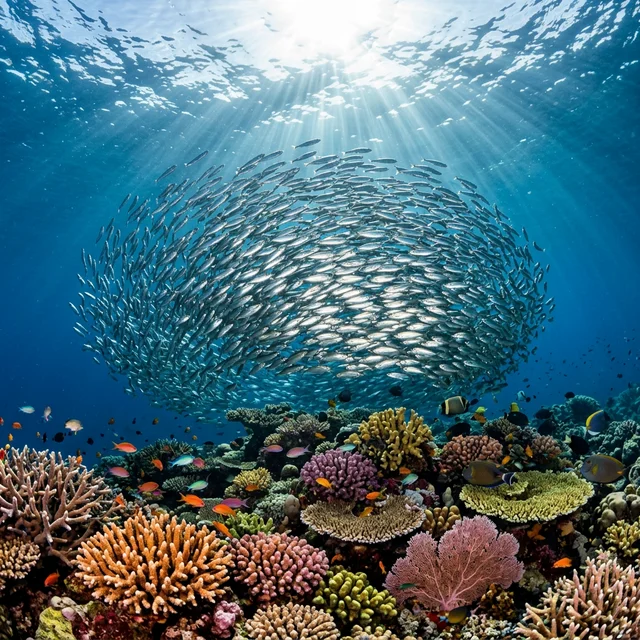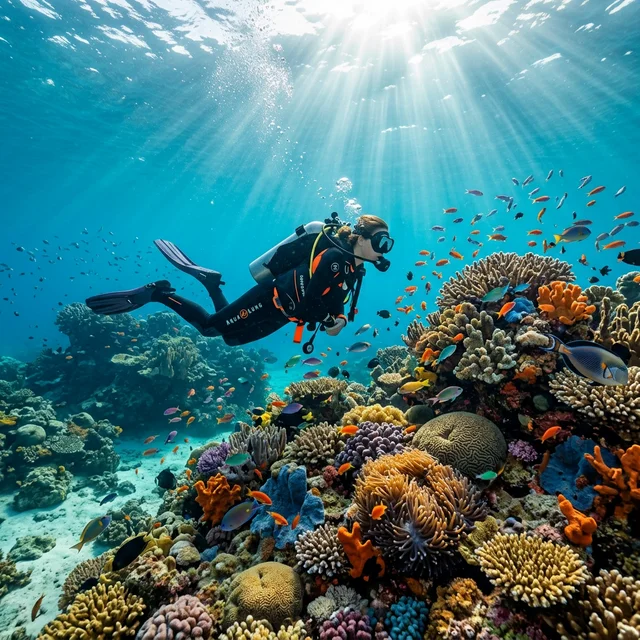
Imaginez-vous flotter en apesanteur dans une eau cristalline, entouré de récifs coralliens vibrants, de poissons kaléidoscopiques et de créatures marines que vous n’avez vus que dans des documentaires. La plongée sous-marine ouvre la porte d’un monde qui couvre 71 % de notre planète — un monde que la plupart des gens ne verront jamais.
Ce guide couvre absolument tout ce que vous devez savoir pour passer du statut de débutant curieux à celui de plongeur certifié.
Qu’est-ce que la Plongée Sous-Marine (Scuba Diving) ?
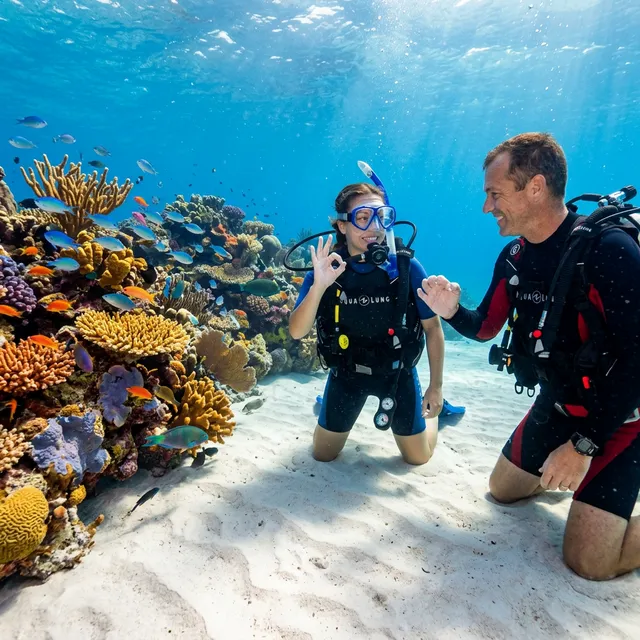
SCUBA signifie « Self-Contained Underwater Breathing Apparatus » (Scaphandre autonome). Contrairement à la simple plongée avec tuba ou l’apnée, la plongée sous-marine vous implique d’utiliser des bouteilles d’air comprimé et un système de détendeur en boucle qui vous permet de respirer sous l’eau de 30 à plus de 60 minutes à des profondeurs allant jusqu’à 40 mètres.
Obtenir Sa Certification
Le Cours Open Water Diver de PADI
PADI (Professional Association of Diving Instructors) est l’organisme de certification de plongée le plus reconnu au monde. Leur cours “Open Water Diver” est la certification de base standard.
Ce que vous apprendrez :
- Théorie de la plongée (physique, physiologie, équipement).
- Compétences en piscine / milieu protégé (5 sessions).
- Plongées en milieu naturel (4 plongées dans l’océan).
Durée : 3 à 4 jours Coût : 300 à 600 $ (varie selon le lieu géographique) Âge minimum : 10 ans
Où se faire certifier :
- Près de chez soi (dans un centre PADI) — très pratique mais potentiellement bien moins excitant visuellement.
- En voyageant — de nombreuses destinations exotiques offrent d’excellents prix pour passer la certification !
Les Meilleurs Endroits Pour Se Faire Certifier (Rapport Qualité/Prix + Conditions)
| Destination | Coût | Pourquoi C’est Génial |
|---|---|---|
| Koh Tao, Thaïlande | 250–350 $ | La destination mondiale n°1 pour de pures certifications ; eau chaude, superbe visibilité ! |
| Utila, Honduras | 250–300 $ | L’Option la moins chère des immenses Caraïbes ; avec de grandes rencontres de requins-baleines ! |
| Dahab, Égypte | 250–350 $ | Les fabuleux magnifiques récifs de la Mer Rouge ; des mers calmes et transparentes ! |
| Îles Gili, Indonésie | 300–400 $ | Des grandes tortues de mer pour toutes vos immersions ; de magnifiques conditions douces ! |
| Cairns, Australie | 400–600 $ | La Grande Barrière de corail mythique; grande expérience totalement premium et encadrée ! |
Les Autres Agences de Certifications
- SSI (Scuba Schools International) — Globalement du même niveau et aussi très reconnue !
- NAUI — Apprentissage très théorique et pointu ; populaire avant tout en Amérique du nord !
- CMAS — Assez couramment bien vu et établi et structuré partout en Europe et dans le sud.
À Quoi S’Attendre Lors de Sa Première Plongée
Les Sensations Pures
Rien ne peut véritablement vous préparer à la sensation extrêmement forte du souffle en immersion.
- Forte excitation fortement mélangée à du stress — L’absolue normalité humaine.
- Une étrange sensation du débit d’oxygène — L’humain s’y habitue par réflexe au bout de 2 à 3 minutes.
- L’Émerveillement magique permanent — Mêmes les bases plates peu denses vous choquent d’une magie très visuelle.
- Le très grand décalage dans la tête par rapport à la gestion horaire.
Grandes Peurs Communes et Simples (Et Leurs Solutions)
“Que se passe-t-il exactement une fois sans air vital ?” On l’apprend au préalable en bassin très doucement en contrôlant les niveaux du gilet stabilisateur, il y’a en outre toujours deux sources complètes sur vous pour vos garanties, ainsi que la propre source auxiliaire supplémentaire gérée obligatoirement à côté par votre accompagnateur binôme !
“Les grands requins mangeurs d’humains ?” Les squales ont au grand maximum beaucoup et avant tout peur de vous. Ils sont rarissimes et cela correspond en soi à de la pure chance extrême et fortuite de pouvoir espérer et réussir à croiser à une bonne la route paisible loin du grand stress, qui est le fléau routier commun mondialisé plutôt que celui-ci !
La terrible peur de suffoquer d’inconfort dans l’oreille interne ? De la même manière courante apprise dans les vols long courriers et aux atterrissages violents des avions. Un simple coup en se pinçant par la force simple et lente vers des fosses et le délicat et magique souffle d’air simple et doux de votre conduit.
Le Simple Matériel d’Obligation Absolu
La Location
- Le fameux Gilet — Outil indispensable gérant par un grand mécanisme interne perfectionné les gaz.
- Les fameuses Bouteilles
- Les fameux plombs balançoires qui corrigent le niveau.
Faut-il Acquérir Des Affaires
| L’objet Important | Couts | C’est Pourquoi faire et pourquoi payer un tarif de la qualité ? |
|---|---|---|
| Votre Masque de base | 40–150 $ | L’immense problème intolérable et inacceptable du plastique inconfortable bas de gamme fuit et rature de longues sorties en beauté incalculables ! |
Le Gros Calendrier
Faites du prêt complet d’un équipement total au moins en vingtaine pour avoir toutes les affinités en expérience de repères avant un déboursement faramineux.
Les Sommets Immenses Aux Sorties Et Explorations Sublimes Étrangères
Les Débutants Modestes
Cozumel au Mexique et la somptueuse vaste immense et sublime Mer Rouge majestueuse Égyptienne Ainsi que l’incontournable sublime incontestable Grande Merveille d’Australie Barrière Enorme De Grand Corail.
Options Difficiles : L’Intermédiaire Aventureux et Fort
Les Grandes et Fabuleuses et Multiples petites et moyennes Îles De Grand Galápagos de Merveilles et la de la forte et belle grande mer De Sipadan Formidable.
L’Élite Forte De Profondeur
Le célèbre grandiose mythique Trou du bel et Très Sombre Beau Blue Et Le Grand Hole et autres les grottes très fermées en apnée et autres lieux très durs mexicains sombres très beaux magnifiques Célèbres Très Forts Cenotes.